Radon is the one problem in a house you can't see, smell or spot on a walk-through. The only way to know the level in a home you're about to buy is to test it, and the inspection period is the time to do it.
Why radon matters
Radon is a radioactive gas that comes from uranium breaking down in soil and rock. It seeps into houses through the foundation, collects indoors and is breathed in. After smoking, it is the leading cause of lung cancer. The good news is that a high level can almost always be brought down once you know about it.
Does it matter which town I'm buying in?
Geology makes a difference. The NJDEP groups every New Jersey municipality into radon potential tiers, and parts of Hunterdon, Morris, Somerset and Warren counties sit on rock associated with higher radon. The Coastal Plain further south generally rates lower.
But the tier describes an area, not a house. Two homes on the same street can test very differently, depending on the foundation, the soil right under it and how the house is sealed and ventilated. That's why we recommend testing in every county we serve.
How a real estate radon test works
- In New Jersey, a radon test for someone else, including one for a home sale, has to be done by a person certified by the NJDEP. Grant is a licensed radon measurement technician.
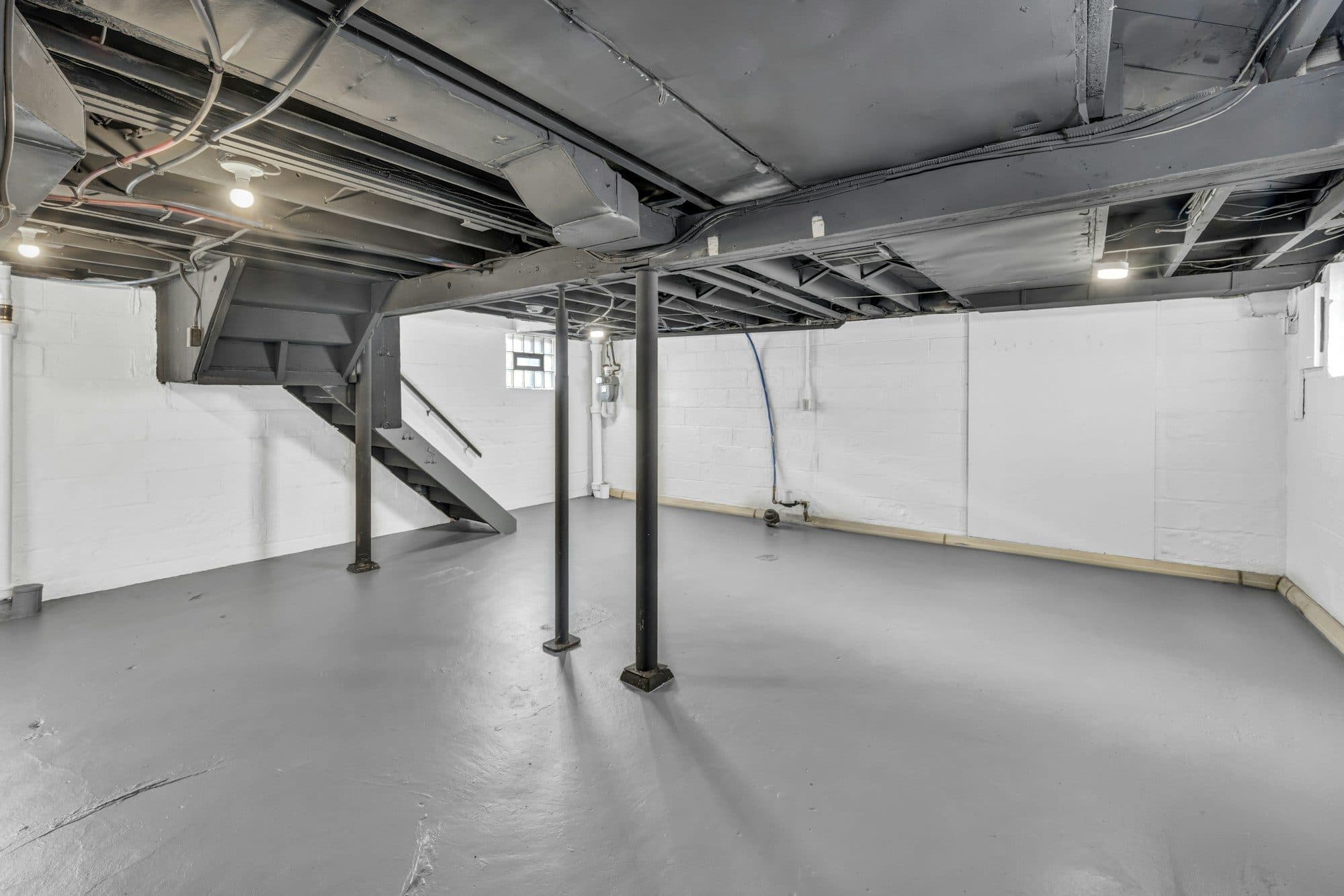
- The test device goes in the lowest level of the house that is lived in or could be, such as a finished basement or the first floor.
- The house needs "closed-house conditions": windows and outside doors kept closed, except for normal coming and going, from 12 hours before the test until it ends.
- The test runs for at least 48 hours. The sellers and anyone else in the house shouldn't move or cover the device.
- You get the result in picocuries per liter of air (pCi/L).
Reading the result
The EPA recommends fixing a home at or above 4 pCi/L, and considering it between 2 and 4 pCi/L. There is no level that is completely risk free, but lower is always better.
If the result is high, the usual fix is a mitigation system that draws air from beneath the foundation and vents it above the roof. In New Jersey, mitigation should be installed by an NJDEP-certified mitigation company. Buyers often negotiate for the seller to install a system, or for a credit, and then retest after it is running.
One more reason to test with your inspection
Patten Inspections LLC measures radon but doesn't install mitigation systems, so we have no stake in the number. Adding the radon test to your home inspection keeps everything on one schedule and in one report.
If you're buying in Central Jersey, call or text 732-789-4377 to add a radon measurement to your inspection. You can read more on our radon measurement page or on the NJDEP Radon Program site.
Buying or selling in Central Jersey? Call or text 732-789-4377 to book an inspection with Grant, or read more articles.